Skip to content
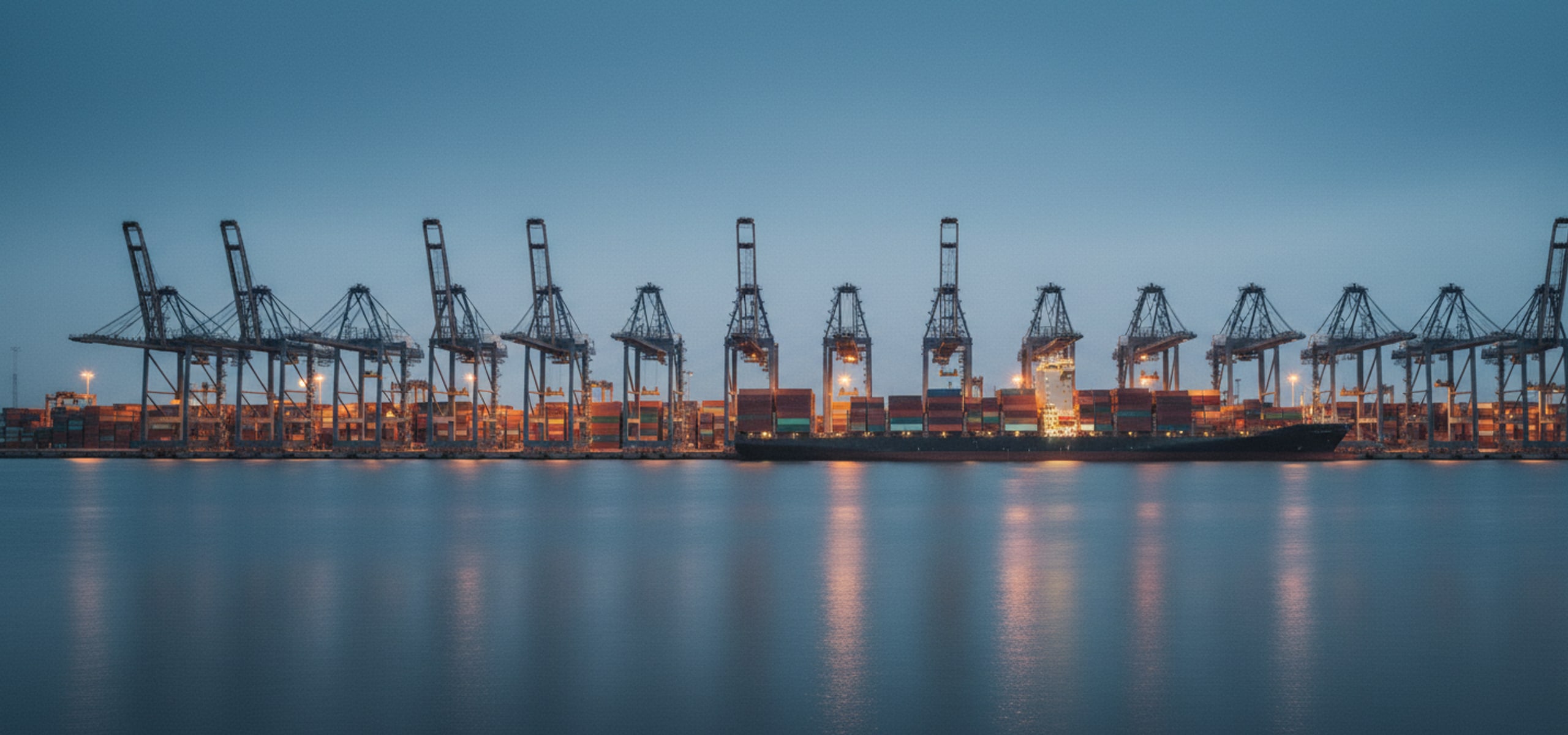
Container port with gantry cranes and stacked containers at blue hour

Ports & Strategic Development

Terminal concessions, deep-sea port development, economic zone anchor tenancy and the strategic land and logistics assets that determine where trade actually flows.

Deep-sea, terminals and economic zones.

Almost everything Bangladesh exports and imports moves through Chattogram. That single dependency is the defining fact of the country’s trade infrastructure and it has been a capacity problem for most of a decade. The Karnaphuli river constrains vessel size and draft, the terminals handle volumes well above their design intent, and the cost of the resulting dwell time is borne inland — in factory working capital and missed sailings rather than in port accounts.

The response is a set of programmes rather than a single project. Bay Terminal at Chattogram addresses the draft constraint by moving outside the river. Matarbari, developed with bilateral development finance, is the country’s first genuine deep-sea facility and will accept vessel classes Chattogram cannot. Payra serves the south-central coast and Mongla the southwest. Each has a different sponsor, a different financing basis and a different timetable.

Ports do not create trade on their own. Value accrues where the port connects — to economic zones with anchor tenants, to inland depots, and to road and rail able to clear the quay. The economic zone programme and the port programme are the same strategy viewed from two ends, and investors who understand that are the ones who end up holding the right land.


Principal gatewayChattogram
Deep-sea programmeMatarbari
Other seaportsMongla · Payra
Economic zone authorityBEZA
Structural constraint at ChattogramKarnaphuli draft and channel
Where value accruesLandside connectivity and adjacent land

Structural and institutional reference points. Figures are stated only where they are matters of public record.


What is available, what stands in the way, and what we do about it.

  • Terminal concessions and operating agreements are an established route for international operators, and the model is understood by the port authorities.
  • Deep-sea capacity at Matarbari changes the vessel classes callable at Bangladesh and reshapes feeder and transhipment economics in the northern Bay of Bengal.
  • Off-dock, inland depot and container freight station capacity is under-supplied relative to throughput and carries a direct, contractible revenue line.
  • Economic zone anchor tenancy adjacent to port capacity offers pre-assembled land, utilities and fiscal treatment without the land assembly burden.
  • Port-adjacent industrial land is the strategic asset in this sector, and its value is determined years before a terminal opens.
  • Draft and channel constraints on the Karnaphuli cap vessel size at the principal port and cannot be engineered away within the river.
  • Multiple simultaneous port programmes compete for the same national capital, the same institutional bandwidth and, in part, the same cargo.
  • Landside connectivity is the recurring failure mode. Quay capacity delivered without matching road, rail and depot capacity relocates the queue rather than clearing it.
  • Labour practice, customs procedure and clearance behaviour affect dwell time as much as physical capacity does, and are harder to change than concrete.
  • Coastal and estuarine environmental sensitivity, together with cyclone exposure, raises both the permitting burden and the design cost.
  • Reading the port programmes against one another to establish where a given proposition should actually sit, and where it should not.
  • Structuring terminal concessions, operating agreements and joint ventures with the relevant port authority.
  • Securing economic zone tenancy and port-adjacent land positions ahead of the capacity that will eventually price them.
  • Coordinating the landside interface — depots, road, rail and customs — so that the commercial case does not depend on capacity nobody has contracted for.
  • Engaging the port authorities, the responsible ministry and the zone authority in the sequence the approval architecture requires.

The bodies whose mandates a project in this sector will touch. Understanding what each one is responsible for — and what it is not — is the first piece of work on any engagement.
Chattogram Port Authority
Operates the country’s principal seaport and acts as contracting authority for its terminal concessions.
Mongla Port Authority
Operates the southwestern seaport serving the Khulna region and its hinterland.
Payra Port Authority
The authority responsible for the developing port on the south-central coast.
Bangladesh Economic Zones Authority (BEZA)
Establishes and regulates economic zones, including the port-adjacent industrial land programme and its tenancy regime.
Ministry of Shipping
Carries policy and approval responsibility for ports, shipping and maritime affairs.
National Board of Revenue (Customs)
Administers customs clearance, bonded facilities and the procedures that in practice govern dwell time.

These institutions are named because they are the relevant public bodies in this sector. Fratres claims no relationship with, endorsement by, or mandate from any of them.
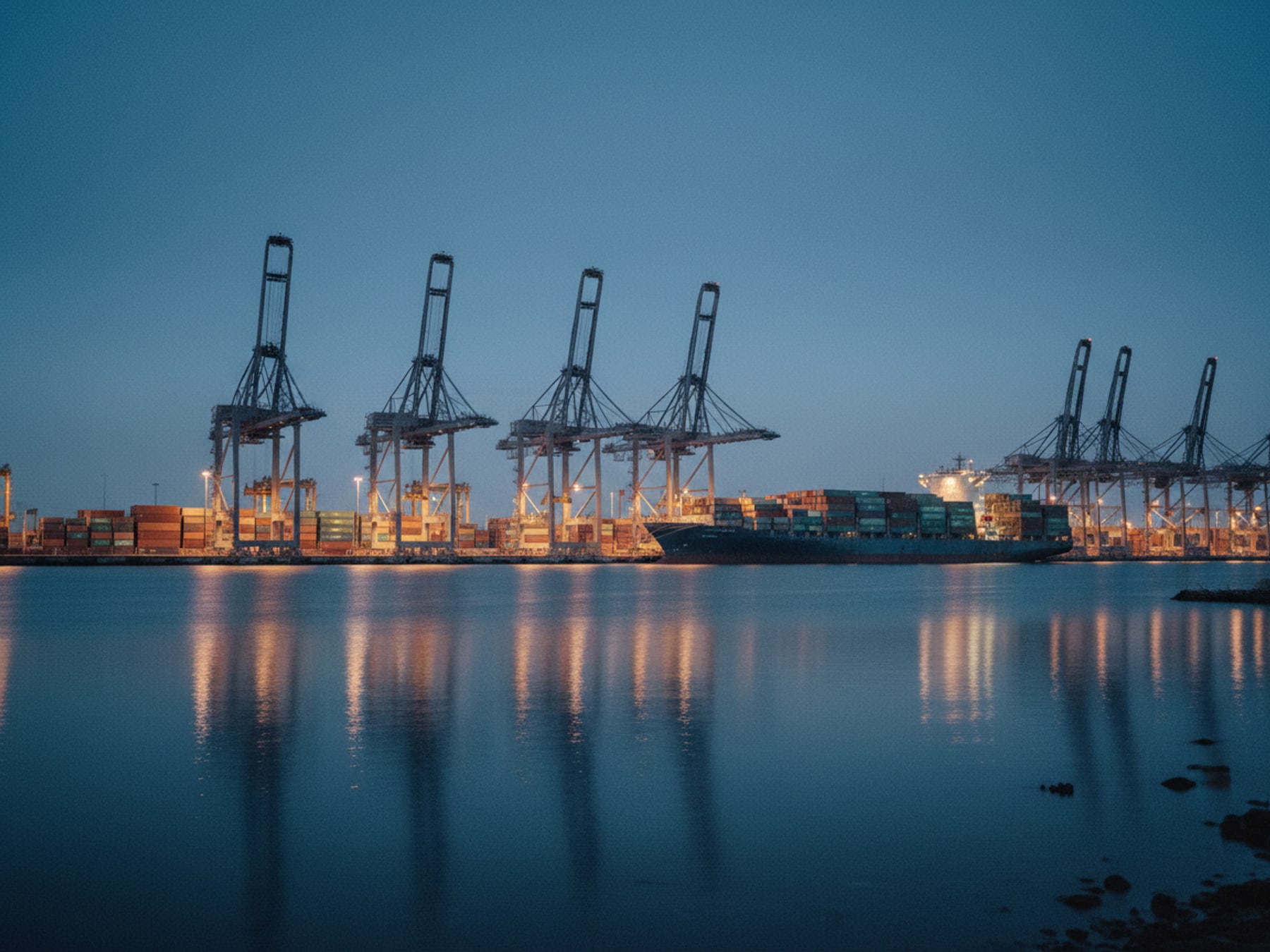
Container port with gantry cranes and stacked containers at blue hour

Ports do not create trade. Connections do.

A terminal is only as useful as the road, rail and depot capacity behind it. Bangladesh has repeatedly delivered quay capacity into a landside network that could not clear it, and the queue simply moved a few kilometres inland.

We therefore assess port propositions against their hinterland rather than their berth. Where the surrounding land, the zone tenancy and the depot capacity sit is usually a better predictor of returns than the terminal specification itself.

Our approach

Ports & Strategic Development: begin a conversation.

The most useful first conversation is a specific one — the asset, the counterparty, or the approval that has stalled. Enquiries are reviewed by the partnership and answered directly.

Make an enquiry