Technology & Innovation
Digital infrastructure and innovation-led capital.
Bangladesh’s technology sector grew out of services export. A large, young, English-capable engineering workforce built a software and IT-enabled services industry selling into North America, Europe and the Gulf, and it did so with limited infrastructure support. That workforce is the sector’s real asset — not the parks, and not the fiscal incentives attached to them.
The domestic layer has moved faster than the export layer over the last decade. Mobile financial services reach a very large share of the adult population, digital identity and government service delivery have been substantially rebuilt, and payment rails now support use cases that did not previously exist. This is genuine digital public infrastructure, and it is the foundation for a fintech and platform market with real scale.
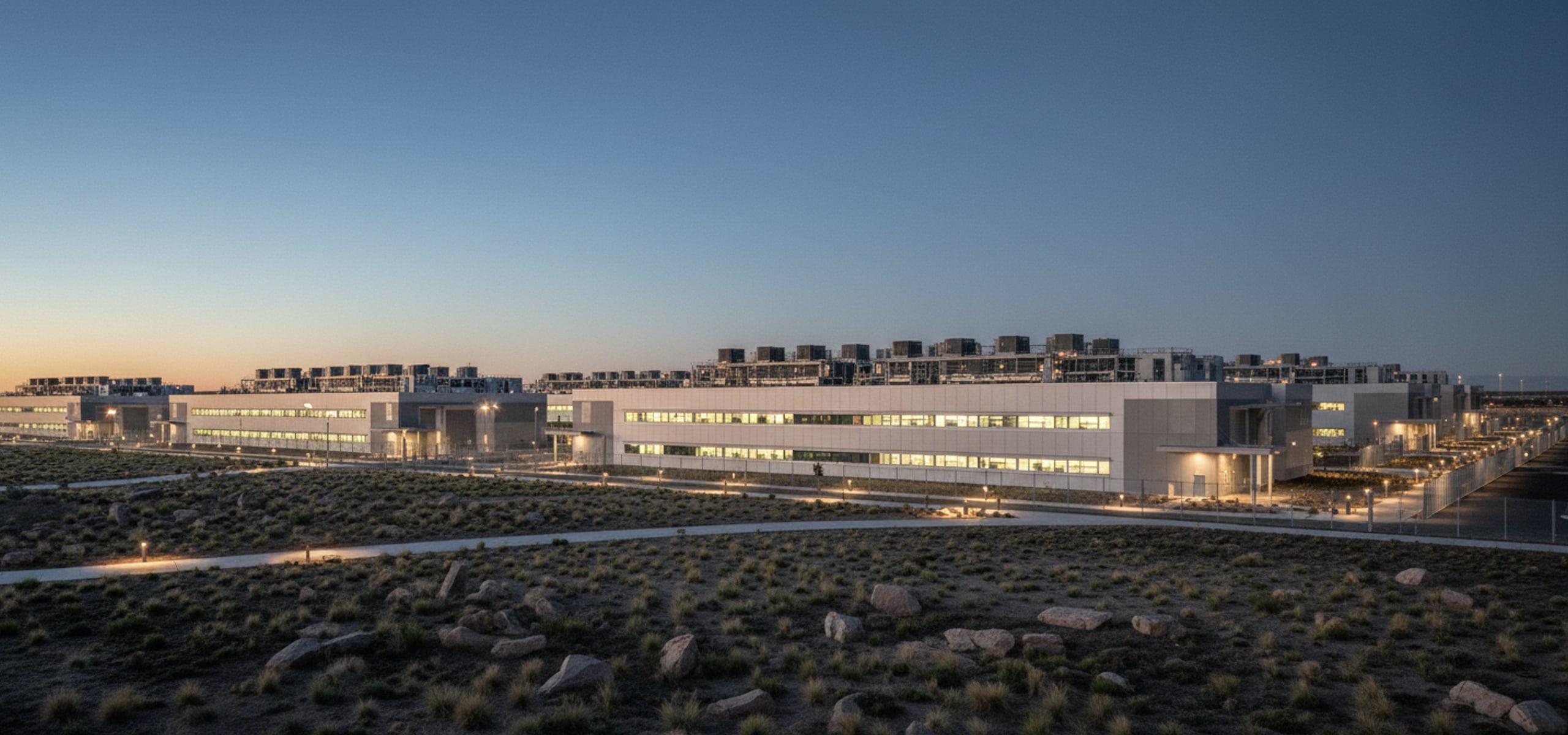
What remains thin is the physical layer. Data centre capacity, submarine and terrestrial connectivity redundancy, and power reliability of the standard enterprise and hyperscale workloads require. As localisation expectations and machine learning workloads grow, that gap becomes the constraint on everything above it — and the most obvious infrastructure investment case in the sector.
Structural and institutional reference points. Figures are stated only where they are matters of public record.
What is available, what stands in the way, and what we do about it.
- Licenses and regulates telecommunications, internet and data transmission services.
- Sets national digital policy and oversees the digital government programme and its supporting institutions.
- Develops and administers hi-tech parks and the tenancy and incentive regime attaching to them.
- The government technical body supporting national IT infrastructure, standards and shared services.
- Regulates payment systems and mobile financial services, and administers foreign exchange for cross-border technology payments.
- Registers foreign investment in technology ventures located outside the specialised zone and park regimes.
These institutions are named because they are the relevant public bodies in this sector. Fratres claims no relationship with, endorsement by, or mandate from any of them.

The software is ahead of the infrastructure.
Bangladesh has built payment rails, a digital identity layer and a services export industry on infrastructure that was never designed to carry them. The applications work. What sits beneath them — power quality, connectivity redundancy, domestic compute — has not kept pace.
That gap is the investment case. It is also the reason a technology project in this market is an infrastructure diligence exercise before it is a technology one, and why we assess power, connectivity and land as a single question rather than three.
Technology & Innovation: begin a conversation.
The most useful first conversation is a specific one — the asset, the counterparty, or the approval that has stalled. Enquiries are reviewed by the partnership and answered directly.
Make an enquiry